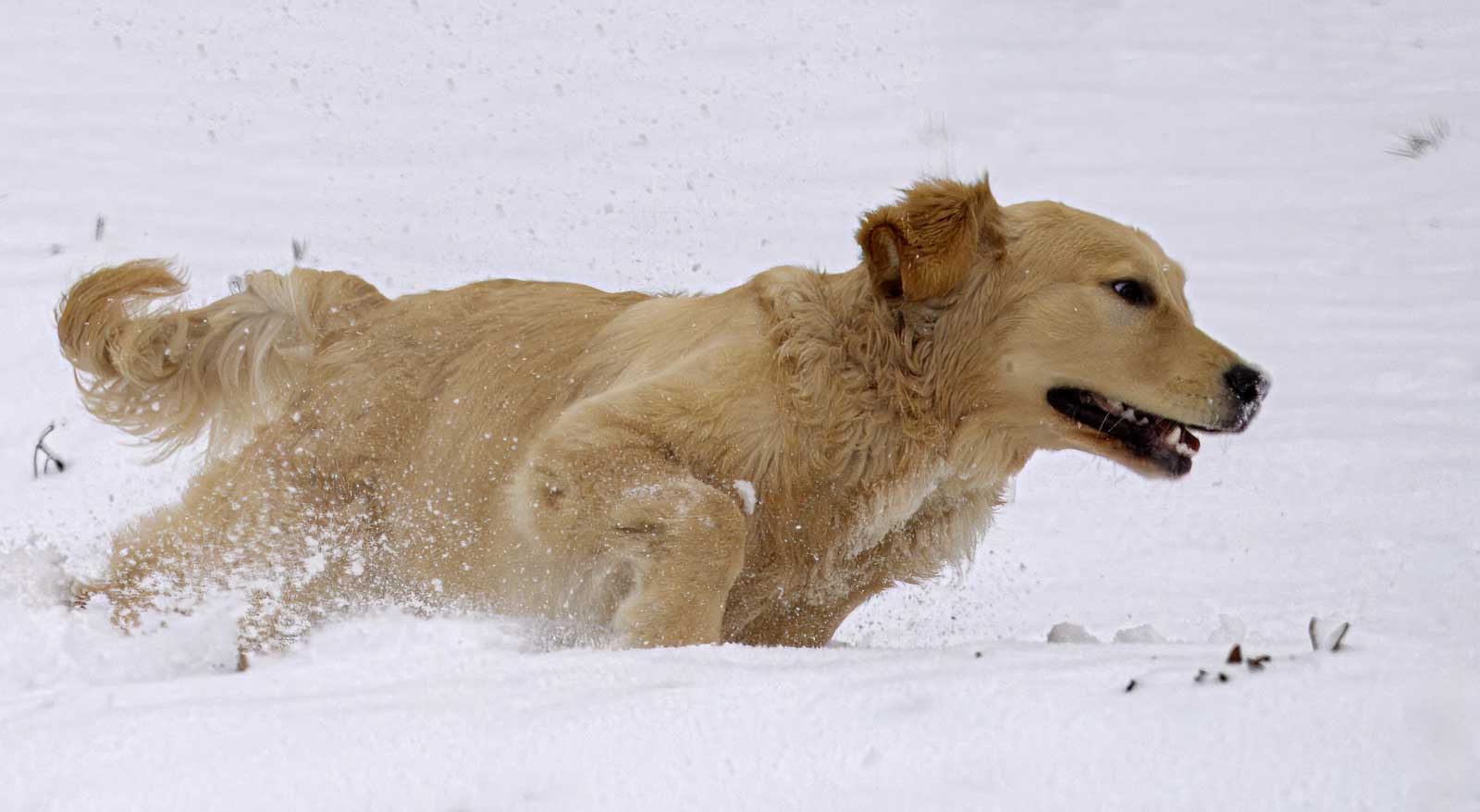
How many times has this happened? Your furry friend just did the coolest, nuttiest thing possible and all you had in hand was your smart phone. And, consequently, the shot was out of focus.
You were there and had a chance, but you had the wrong tool for the job.
Doh!!!
This article will help you keep that from happening again. So, anyone can unlock the magic of action pet photography with a little practice and patience. And the right equipment.
What this article won’t be is a sales pitch for you to buy a fancy camera. We don’t sell camera equipment nor do we get compensated by anyone that does. But we will give you some insight into what features you need to capture your pet in mid flight.
Let’s get to it.
What is the best camera for pet photography?
It depends on your expectations.
If general, everyday photography of dogs (or any other pet) is your goal, your smartphone phone is a great choice. I use mine all the time. And they get better ever year.
If great is what you’re after, read on.
Today’s cameras and lenses are simply amazing. And you don’t have to spend thousands to get great photos. However, you will need to understand a handful of concepts and terms which we will cover in this article.
Cameras: The brains that keep getting smarter and smarter
Mobile phone cameras are amazing. All those capabilities are packed into such a small space.
If it has been more than three years since you shopped for cameras then you are in for a thrill, especially if you are a dog photographer.
Here are the most important features for action photography:
- Mirrorless. This is where the industry is going. These are cameras without a moving shutter… everything is electronic. Or, you can still find many excellent cameras (called DSLRs) that can be used for dog action photography.
- Fast Auto focus. Cameras designed for action pet photos have advanced focusing capabilities. They will unquestionably nail sharp (versus fuzzy) photos of your dog running, jumping and having fun. And, to really nail focus, learn how to use back-button focusing. Learn more at Expert Photography on this important feature.
- Fast Shutter Speed. This is one of the best photography tips I ever received: Whatever you think is the right shutter speed for a fast-moving object, increase it even more. For photos of dogs, I shoot with at least 1,000th of a second.
- Continuous Shooting. This is the number of photos the camera will take in one second; typically referred to as “frames per second (FPS).” Look for a camera that will take at least 8-10 frames per second and ideally 20 or more.
- Low Light Capabilities. Cameras aren’t nearly as good in low light conditions as our eyes, but the latest cameras can handle what pros call “high ISO” situations much better. ISO is an important concept and you can learn more in this article. For instance, just an overcast day can stretch a camera’s capabilities for action pet photography. However, you can offset some of that with the right lenses (which we will cover next).
- Eye Detection. Not all cameras have this, but it is coming. Eye detection finds the animal’s (or person’s or bird’s) eyes and locks on them. Consequently, you will come away with a much higher percentage of photos that are in sharp focus. Do I need to say more than to simply look below at Skye’s eyes?
Now, how can a lens improve your odds of getting that great shot?

Lenses: More electronics surrounding great glass
Today’s interchangeable lenses for mirrorless cameras are smaller and lighter, with new capabilities.
- Focal Length. Think of this as the eyes of the lens. Wide angle lenses see wide open spaces while telephoto lenses see things up close and personal. For action pet photography, it is typically best to be away from them so you don’t distract them. I recommend a telephoto lens of 200mm to 300mm. I most often use a 70-200mm zoom lens for pet photography.
- Fast Aperture. Aperture is the opening in a lens that allows light to pass through to the camera’s sensor. For example, the bigger the opening allows for more light and more creative opportunities. Lenses with larger apertures are more expensive.
- Image Quality. You can’t go wrong with the well-known brands: Nikon, Canon and Sony. They produce both the glass and lenses specifically for their cameras. There are also many third-party companies that produce excellent lenses: Tamron, Sigma, Tokina and others.
We won’t spend much time on it here, but post-processing software can play a big role in the ultimate photograph. There are many software programs available like Photoshop and Lightroom, both from Adobe. There are many other high quality programs. Learn more in our recent article about photo editing software.
Find a reputable and experienced source either online or in your hometown. For instance, I have had a great experience with a photo retailer in Detroit called ProCam. This link will take you to ProCam’s selection of cameras. Ask for Erick and tell him I sent you. There is nothing in it for me other than knowing Erick will do you right.
What are the best techniques for photographing my dogs?
A successful dog photoshoot It starts and ends with the eyes.
Professionals recommend focusing on the eyes of animals and birds for several reasons:
- Emotional Connection. The eyes of people are often referred to as the “window to the soul.” Well, for pet portraits, this holds true for animals and birds as well. For example, a sharp, well-focused eye can convey a wide range of emotions, from curiosity and playfulness to intensity and vulnerability. It’s true: the eyes draw viewers into the image.

- Visual Impact. The eyes are naturally one of the most visually striking features of an animal or bird. I love close-ups of eyes in dog portraits.
- Communication and Engagement. Animals and birds communicate a wealth of information through their eyes. It is the playful twinkle in a dog’s eye. Or, what about the piercing gaze of a bird of prey in flight? The eyes serve as a powerful means of communication and engagement.
Where can I get ideas for photographing my dog?
One of the best sources of inspiration is social media. Beyond social media, there are also countless online resources and publications dedicated to the art of pet photography.
Of course, look no farther than home, using the everyday moments you share with your pet as inspiration.
Every one of our outdoor pet photography projects begins with a consultation. We want to know everything about your pet so we can be prepared when we are on location.
What are the benefits of hiring a professional pet photographer in St. Louis to photograph my pets?
So, you’re not ready to take on a new hobby?
Here are the three things I consistently discuss with potential clients:
- Experience. Professional pet photographers understand the unique challenges and nuances of photographing pets in action. They can almost predict a pet’s movement before it happens.
- Creativity. You know the importance of our photographic subject’s eyes. Well, the eyes of a professional pet photographer are just as important. The pros will produce visually captivating images that showcase your dog’s beauty and vitality. How about the photo below of young Ellie the golden retriever practicing for her first cigar?.

- Stress-Relievers. A pro will take care of all the details so you can focus on enjoying the moment with your pet.
Check out our recent article on Why hire a Professional Pet Photographer. It goes into great detail on each step of the process.
Our range of animals and birds is broad. Check out these portfolios: dogs, birds in flight, moose and wild horses. And learn more about our services here: Outdoor Pet Photography Services . Our Platinum Package is the most popular.
If you want action photos of your furry friend that sparkle, contact me at tgurley24@yahoo.com or 970-390-9699.

Todd Gurley: Better Late Than Never
Todd Gurley is a photographer who has come to the professional party late, but has had a big boy camera since he was 14.
Todd’s love of photography always had an outdoor focus. It started with sports, evolved to landscape, and then wildlife and birds.
And now pets!.
Based in St. Louis, Missouri, but an Arkansan at heart, Todd lives with his partner in crime of 50 years Sheila and about 250 pounds of dogs. They have two golden retrievers named Gracie and Ellie and one black lab named Norman. And bringing up the rear is an additional 10 pounds from Sally the rescue cat. She’s in charge if you are wondering.
Todd has this other business with his son Drew called Redbird Advisors. Oh, and he now has this website which was first discussed 25 years ago.
No wine before its time!
P.S. The photo above was taken on our way to the summit of Mt. Quandary, a 14,271-foot peak in the middle range of the Rockies, south of Breckenridge. Colorado. There are 58 named “14ers” in Colorado, the most of any state.
6 responses to “Action Pet Photography: How can I take better photos of my dogs?”
[…] all about catching them doing something they love. See more ideas and insight in our article learn how to shoot action shots of your […]
[…] Brands like Nikon, Canon and Sony are great places to start. They are relatively easy to learn and don’t require understanding a mind-numbing list of camera settings. You may also need a couple of lenses: one for close-up shots and another when the dog is far away. See our recommendations for camera features you need for great dog action shots. […]
[…] This guide identifies the five most important factors to a successful dog photography photos shoot. Our recent article on hiring a pro for dog photography in St. Louis provides further insight into the process. Here is another article with great dog photography ideas: Take better action photos of your dog. […]
[…] If you are looking for ideas that you can try, check out our guide to Better Action Pet Photography. […]
[…] Action Shots. My favorite. If your dog still has spunk, showcase its spirit with outdoor action shots. Be patient and catch it doing unusual things like digging (oops, bad dog) or chewing on branches. It’s all about catching it doing something it loves. See more ideas in our article about Action Pet Photography. […]
[…] out our article on action pet photography. And if you’re in the market for a new camera, check out this article from Amateur […]